
Most Oahu hiking guides will not tell you that one of the trailheads they recommend now carries a $200 fine and a tow truck.
That changed in July 2026, and it is the sort of thing that ruins a morning. So this guide leads with the practical stuff: what each trail costs, what you have to book, where you can legally leave the car, and which famous hike is gone for good. Fees and rules are in US dollars and current as of September 16, 2026. Recheck them the week you travel, because they move.
Seven trails, hardest question first.
How to pick among the best hikes in Oahu
Start before 9 a.m. Almost every ridge and crater trail here is fully exposed, and the trade winds that make Oahu pleasant at sea level do nothing for you on a sunbaked slope at 11.
Then check the rain. The windward and Koolau trails turn to slick mud fast, and valley trails can close outright after heavy storms.
Parking decides the rest. It is now the single biggest constraint on hiking Oahu, tighter than fitness or weather, and it is where most visitors get caught.
Trail | Distance | Elevation gain | Difficulty | Cost |
|---|---|---|---|---|
Diamond Head | 1.6 mi round trip | 560 ft | Moderate, stairs and a tunnel | $5 entry + $10 parking, reservation required |
Makapuu Point Lighthouse | 2.0 mi round trip | 500 ft | Easy, fully paved | Free |
Koko Crater Railway | ~1.6 mi round trip | ~1,000 ft | Very hard, 1,048 steps | Free |
Lanikai Pillbox (Kaiwa Ridge) | ~1.8 mi round trip | ~500 ft | Moderate, steep and loose | Free, but no legal parking nearby |
Manoa Falls | 1.6 mi round trip | ~600 ft | Easy to moderate, muddy | Free, $7 to park |
Kaena Point | ~5 mi round trip | Flat | Easy but long and shadeless | Free |
Haiku Stairs | Closed | n/a | Illegal to climb | Fines |
Diamond Head: book it or skip it
Diamond Head is the most popular of the best hikes in Oahu, and the crowds are earned. It is also the one trail here you cannot simply show up for.
The state monument charges non-residents $5 to walk in and $10 per vehicle, and both entry and parking require a reservation booked ahead. Hawaii residents enter free with a state ID.
The climb is 0.8 miles from the crater floor to the summit, gaining 560 feet. State Parks calls it steep and strenuous, which is fair: the upper stretch is stairs and a lighted 225-foot tunnel. Budget 1.5 to 2 hours.
Gates run 6 a.m. to 6 p.m., and the last entry is 4:30 p.m. for the 4 p.m. slot. Take the earliest reservation available. By mid-morning the crater turns into an oven, and there is nowhere to hide from it.
Makapuu Point Lighthouse: the paved one
Makapuu is the easiest of the best hikes in Oahu and the trail to bring people who do not hike. Two miles round trip, 500 feet of gain, fully paved. Strollers manage it.
Easy is not the same as comfortable. State Parks describes hot, dry slopes and a summit that is often very windy, with no shade anywhere. Hat, sunscreen, more water than feels necessary.
Between November and May, this is one of the best places on the island to spot migrating humpbacks from dry land. Take binoculars. You will want them.
Koko Crater Railway: 1,048 steps, no shade
This is the hardest of the best hikes in Oahu for most visitors, and it is a staircase rather than a footpath. You climb the railroad ties of an old military tramway, 1,048 of them, gaining roughly 1,000 feet in under a mile. Partway up, the ties bridge a washed-out gully with open air underneath. People stop there and reconsider.
Parking is free at Koko Head District Park on Portlock Road. After a child fell into a shaft in 2025, the city sealed the summit bunkers, and the volunteer group Kokonut Koalition keeps the steps maintained.
Go at sunrise, and mean it. There is no shade on this climb at any point, and heat turns people back far more often than the gradient does.
Lanikai Pillbox: read this before you drive there
The Kaiwa Ridge trail climbs to two World War II bunkers looking out over the Mokulua islets, and it is the most photographed of the best hikes in Oahu. It is short, steep, and loose enough underfoot that people come down on their backsides.
Now the part that catches visitors. Since July 2026, Mokulua Drive has a permanent all-day parking ban. Aalapapa Drive carries the same ban, and the cross streets between them prohibit parking from 10 a.m. to 4 p.m. Fines run about $200, and cars get towed.
Park at Kailua Beach Park and walk the 0.6 miles to the trailhead. That is the same advice we gave in our guide to Oahu's beaches, and it has not changed.
Manoa Falls: mud, bamboo, waterfall
Fifteen minutes from Waikiki, the city disappears. Manoa Falls runs 1.6 miles round trip through dripping canopy and stands of giant bamboo to a waterfall at the end, and the grade stays gentle throughout.
It will also be muddy. Assume it. The rocks are slick, the roots are slicker, and this is not the hike for clean shoes.
The trail is free. Parking at the Paradise Park lot costs about $7, while Lyon Arboretum nearby has free parking and free admission on weekdays from 9 a.m. to 3 p.m., closed weekends and holidays.
Do not swim in the pool at the base. Hawaii's fresh water carries leptospirosis, and a waterfall photo is not worth a week of fever.
Kaena Point: the quiet one
The quietest of the best hikes in Oahu follows an old railbed along the coast to the westernmost tip of the island. The Natural Area Reserve at the end protects nesting seabirds and Hawaiian monk seals behind a predator-proof fence that keeps out rats and mongooses. Laysan albatrosses nest here, and roughly 2,000 seabirds use the reserve in breeding season.
Vehicles have been shut out since the late 1980s, so you walk or take a mountain bike. Dogs stay home. Stay on the marked trail, pack out your trash, and give any hauled-out monk seal a wide berth.
The walk is about 5 miles round trip from either the Mokuleia or Waianae side, flat the entire way, and utterly shadeless. Carry more water than any other hike on this list, then add some.
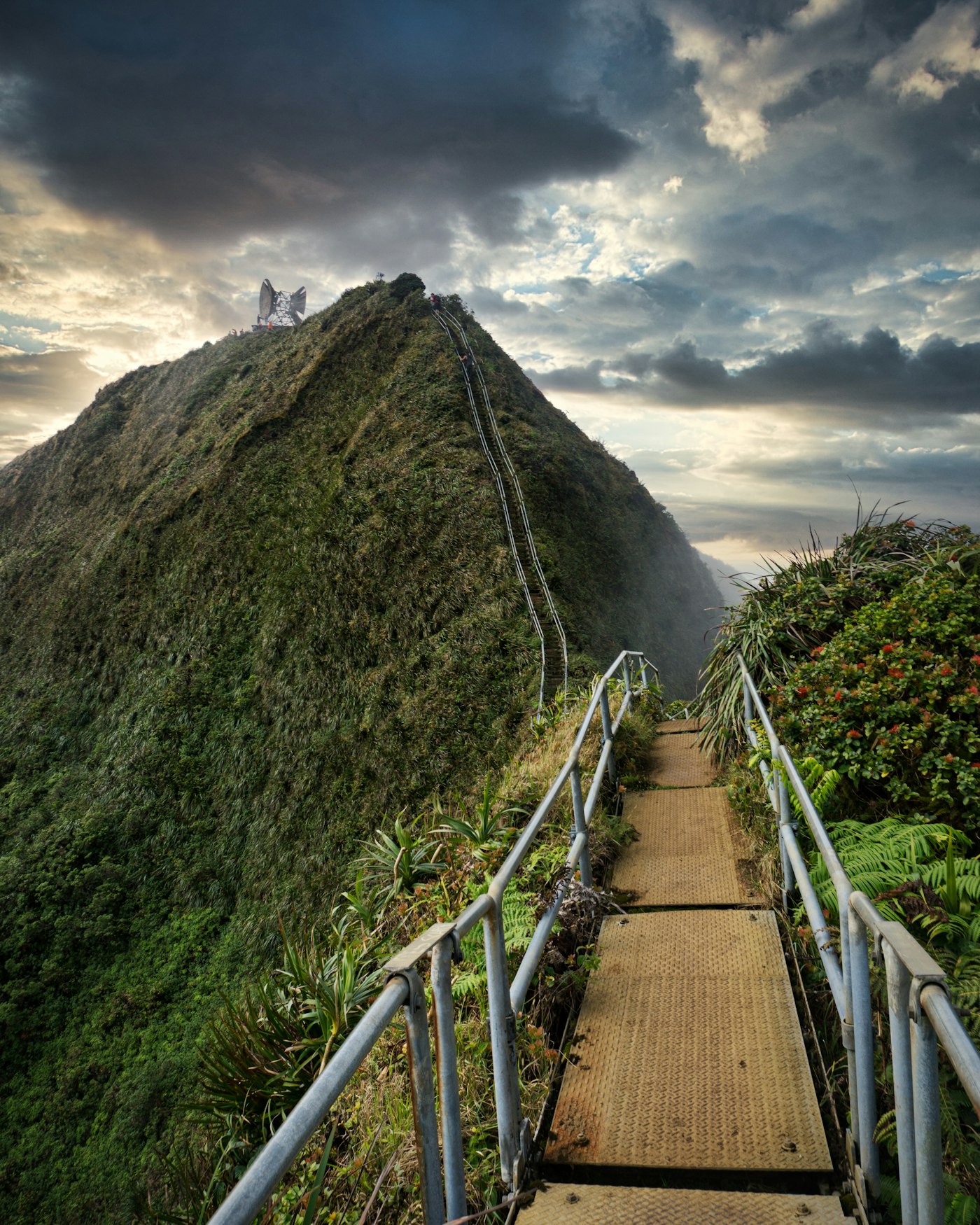
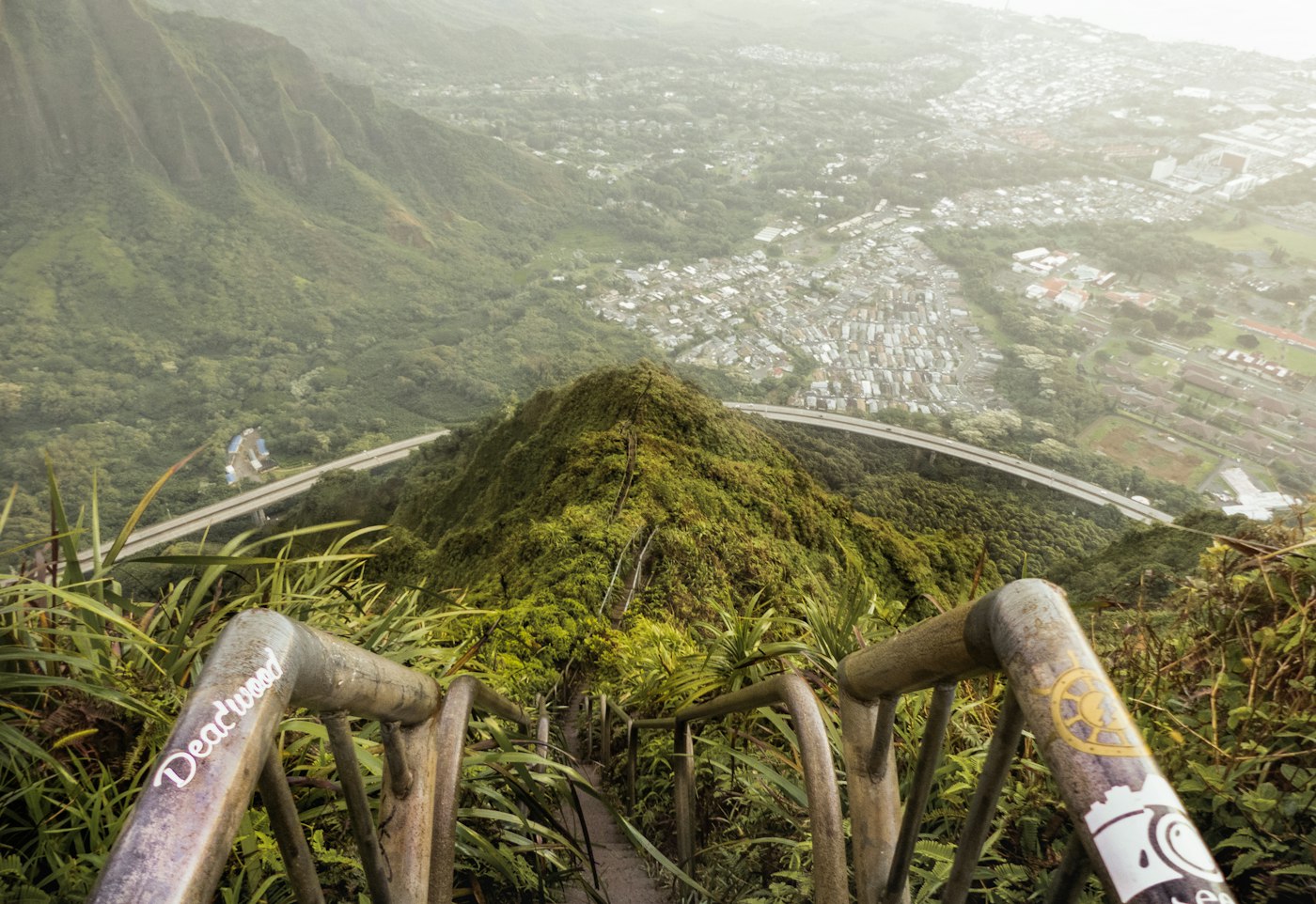
Haiku Stairs: the one you cannot hike
The Stairway to Heaven, nearly 4,000 steps up the Koolau range, has been illegal to climb since 1987. Honolulu started removing it in 2024 at a cost of about $2.6 million. Court challenges from Friends of Haiku Stairs paused and restarted the work through 2024 and 2025, and helicopters lifted out some sections along the way.
The available reporting does not show whether demolition has finished. What is clear: climbing it is trespassing, guards are posted, and the fines are steep. Any blog still explaining how to sneak past at 3 a.m. is out of date and will cost you money.
Which of the best hikes in Oahu fits your trip
Bringing kids or grandparents? Makapuu, then Manoa Falls if the week has been dry.
One free morning: Diamond Head on the first reservation slot. Or Lanikai Pillbox at sunrise, if you have sorted out where the car goes.
Want your legs destroyed? Koko Crater will do it faster than anything else on the island.
Want nobody around? Kaena Point on a weekday, where the coast runs empty for miles.
And the photograph everyone comes back with is Lanikai at sunrise, which takes a legal parking spot and a headlamp.
One last thing, and it matters more than any ranking here. These ridges get slick, the drops are real, and cell service dies in the valleys. Tell someone your plan. Turn around when the mud or the heat wins. The trail will still be there next trip. Planning other US park hikes? We have guides to the best hikes in Zion National Park and to Acadia hiking trails, both of which run on permits and closures the way Oahu runs on parking.
Common questions about hiking on Oahu
Which of the best hikes in Oahu is the hardest?
Koko Crater Railway, among legal public trails. It is 1,048 steps with no shade and a washed-out section near the top.
Do any Oahu hikes require a reservation?
Diamond Head does, for non-residents, covering both entry and parking. The rest do not, though the parking fills early.
Are the best hikes in Oahu free?
Most of them. Diamond Head costs $5 per person plus $10 per vehicle for non-residents, and Manoa Falls parking runs about $7.
What is the best time of day to hike on Oahu?
Early. Crater and ridge trails have no shade and turn dangerous by late morning, and trailhead lots fill within an hour or two of sunrise.


