
The Federal Reserve announces its next interest rate decision at 2 p.m. Eastern on Wednesday, September 16, and futures markets are pricing in an increase. The federal funds rate is 3.50% to 3.75% today. A quarter-point hike would lift it to 3.75% to 4.00%. Figures below are in US dollars and current as of September 14, 2026, and anything said here about Wednesday's outcome is a forecast until the Fed speaks.
Why a Fed rate hike September 2026 is on the table
Prices sped up again this summer. The Bureau of Labor Statistics reported on September 11 that consumer prices rose 3.4% over the 12 months through August, including 0.4% in August alone. Gasoline accounted for more than a third of that monthly rise, with the gas index up 3.9% in one month, and energy prices overall are 16.3% higher than a year ago because of the oil shock from the Iran war.
Core CPI, which leaves out food and energy, rose a milder 2.4% over the year. The Fed puts more weight on a different measure, core PCE inflation, and the minutes from the July 28-29 meeting estimated it at 3.3% in June. That's well above the Fed's 2% goal, and the minutes describe the price increases as broad based.
The July vote was 9 to 3 to leave rates alone. Beth Hammack, Neel Kashkari and Lorie Logan, three regional Fed bank presidents, dissented in favor of a quarter-point hike, and several other officials said they'd likely support tightening if inflation didn't ease.
Fed Chair Kevin Warsh added to that at Jackson Hole on August 28. In his keynote remarks he said the summer's softer inflation readings didn't show that underlying trends had meaningfully improved, and he said a rate increase could be needed. He didn't commit to one in September.
Traders now treat a hike as the likely outcome. Over the past two weeks, readings of the CME FedWatch tool have put the probability of a quarter-point increase between about 60% and more than 80%, according to Yahoo Finance's tracking of the odds. Those numbers come from futures prices, and they've jumped around after each new data release.
When the Fed meeting on September 16, 2026 happens, and what to watch
The policy statement is due at 2 p.m. ET, and Warsh's press conference starts at 2:30. The Fed also publishes its Summary of Economic Projections at this meeting, one of four times a year it does. That includes the dot plot, where each official marks where they expect rates to be at the end of 2026, 2027 and beyond.
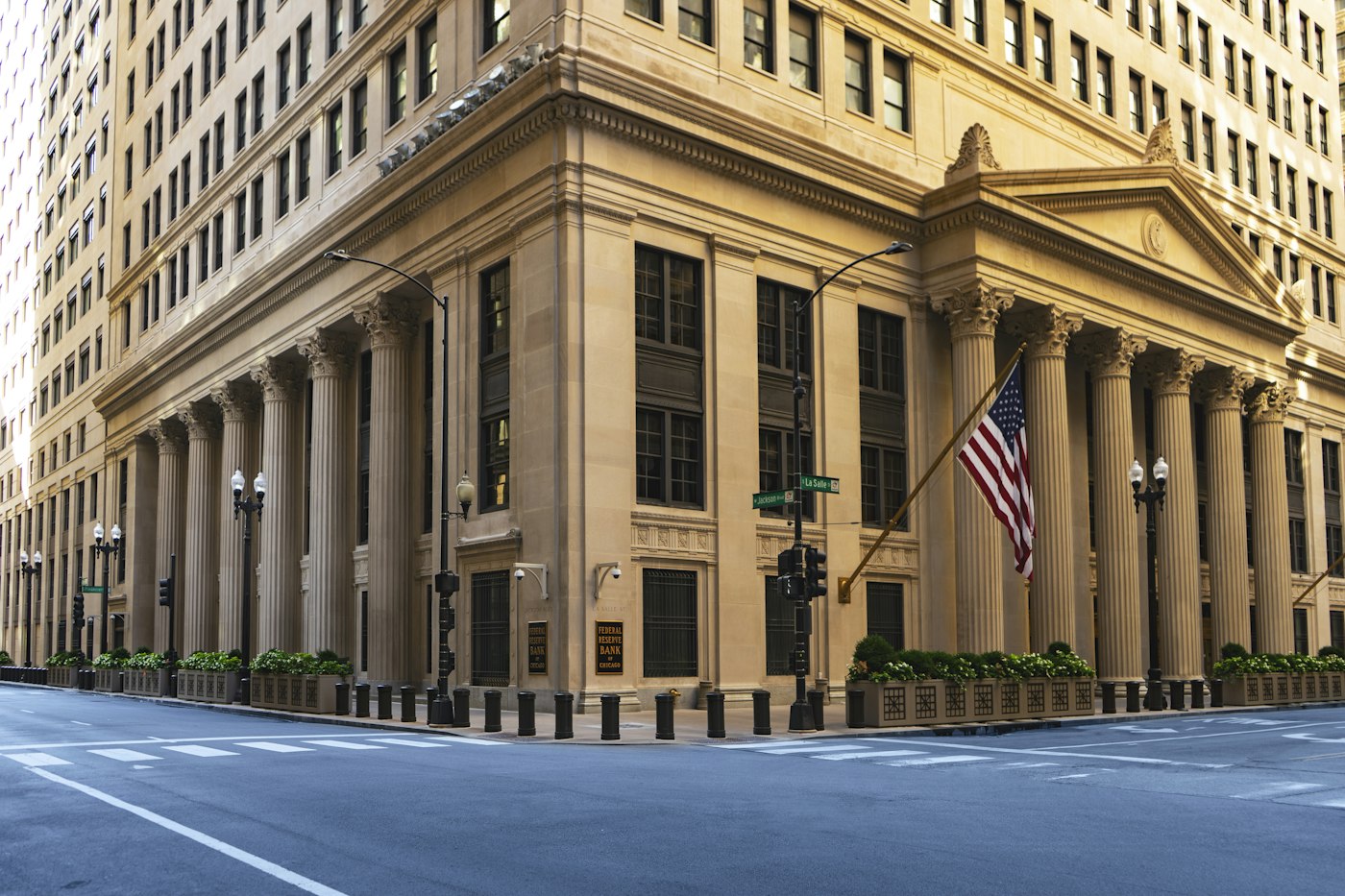
The dot plot can move your borrowing costs as much as the Fed rate hike September 2026 decision itself. A hike paired with projections of more increases would push loan rates higher than a hike presented as a single move. Also look at how many officials dissent.
What a Fed rate hike September 2026 does to your debts
Your card issuer and mortgage lender set their own rates. The Fed controls the overnight rate banks charge each other, and consumer rates follow it at very different speeds, from one billing cycle to hardly at all.
Type of borrowing or saving | How closely it follows the Fed | What a 0.25-point hike likely does |
|---|---|---|
Credit cards | Very closely, through the prime rate | APR rises by about 0.25 point within a cycle or two |
HELOCs | Very closely, through the prime rate | Rate rises by about 0.25 point on the next adjustment |
Adjustable-rate mortgages | At the next reset date | Higher payment when the loan resets |
New 30-year fixed mortgages | Loosely, through bond markets | Often already priced in before the meeting |
Existing fixed mortgages and car loans | Not at all | No change |
High-yield savings accounts | Fairly closely | APYs may tick up |
Credit cards and home equity lines
Most credit cards and HELOCs are pegged to the prime rate, which banks set 3 percentage points above the top of the Fed's range. Prime is 6.75% now and would become 7.00% after a quarter-point hike, and card rates usually follow within a billing cycle or two.
Average card APRs are already in the low 20s, according to WalletHub's September survey and other trackers, which don't all agree on the exact figure. As a hypothetical example, a $6,000 balance carried for a year costs about $15 more in interest after a 0.25-point increase. At a 22% APR, the interest on that balance was already about $1,320 a year.
On a $50,000 HELOC balance, each quarter-point adds roughly $125 a year.
Mortgages
Fixed mortgage rates track the 10-year Treasury yield more than the Fed's own rate. That yield moves on inflation expectations and on what investors think the Fed will do over the next few years.
Freddie Mac's weekly survey put the average 30-year fixed rate at 6.76% on September 10, compared with 6.35% a year earlier. Traders have been betting on a Fed rate hike September 2026 move for weeks, so much of Wednesday's expected change is already in that 6.76%. Rates could climb further if the Fed hikes and signals more increases, or ease slightly if it holds. There's no reliable way to know the direction before the announcement.
A fixed-rate mortgage you already have won't change. If yours is adjustable, find the reset date and the index in your loan documents.
Car loans and student loans
A Fed rate hike September 2026 decision leaves existing fixed-rate auto loans exactly where they are. New car loans get more expensive as lenders' funding costs rise, although a single quarter-point matters less than your credit score or the length of the loan. Federal student loan rates are fixed and set once a year, so current borrowers aren't affected, while variable-rate private student loans will adjust.
Savings accounts are the one place a hike helps
The best high-yield savings accounts pay about 4% to 4.2% APY in mid-September, while the national average savings rate is 0.38%. Online banks often raise their APYs in the weeks after a Fed rate hike September 2026 decision, though nothing requires them to.
The gap between a regular and a high-yield account is much bigger than any Fed move. On $10,000, earning 4% instead of 0.38% brings in about $362 more a year.
What to do before and after Wednesday
These steps make sense whether the Fed raises rates or holds:
Pay down credit card and HELOC balances first. They reprice fastest, so paying them off saves the most after a Fed rate hike September 2026 announcement.
Look at a 0% balance transfer card if your credit qualifies. Transfer fees usually run 3% to 5%, so do the math before moving a balance.
Lock a mortgage rate when the payment fits your budget. Rates have already moved on expectations for Wednesday, so there's little to gain from waiting for the announcement.
Move cash earning less than 1% into a high-yield savings account or a certificate of deposit.
Check every loan you have for a variable rate, including HELOCs and private student loans.
What comes after a Fed rate hike September 2026
A single quarter-point adds little to most household budgets. Several hikes in a row would add up. How many come next depends largely on energy prices. In July the Fed's staff projected that gasoline prices would fall in the second half of 2026, and they've risen instead. Diesel set a record above $6 a gallon this month, and energy is the main reason August inflation came in at 3.4%. If oil prices stay high, inflation is less likely to cool on its own, and more officials may favor further increases.
Common questions about the Fed rate hike September 2026
Will the Fed raise rates on September 16?
Most market readings put the odds above 50%. The Fed hasn't announced anything, and Warsh didn't commit to a September move at Jackson Hole. The decision comes out at 2 p.m. ET on Wednesday.
How much would my credit card rate go up?
Usually by the size of the hike, 0.25 percentage point, within one or two billing cycles. Your card agreement shows how your rate is tied to prime.
Should I buy a house now or wait?
One quarter-point Fed move isn't a good reason to rush or to wait. Current mortgage rates already reflect what traders expect, so decide based on whether the monthly payment fits your budget.
Does a rate hike affect Social Security or Medicare?
Not directly, because those benefits follow inflation measures and federal formulas rather than the federal funds rate. This year's higher inflation does feed into the 2027 Social Security cost-of-living adjustment.


