
Diesel has never cost more in the United States. AAA's national average reached $5.85 a gallon on September 4, 2026, topping the previous record of $5.816 from June 2022, and it went past $6 a week later. A year earlier, the average was about $3.71. Prices below are in US dollars per gallon, current as of mid-September 2026, and they change every week.
How diesel prices record high levels compare with gasoline
Gasoline has climbed as well, though it's still short of its own record. The Energy Information Administration's weekly fuel price survey for September 7 put regular gasoline at $4.157 and on-highway diesel at $5.967, a gap of about $1.81. Over the previous year diesel rose $2.20 a gallon and gasoline rose about 97 cents.
AAA's gasoline record of $5.0165, also from June 2022, hasn't been broken. The fuel setting records this year is diesel, which powers the trucks, trains and farm equipment that move food and other goods.
Prices vary a lot by region:
Region (EIA, week of Sept 7, 2026) | Diesel price per gallon |
|---|---|
U.S. average | $5.967 |
California | $7.764 |
West Coast overall | $6.987 |
Gulf Coast (lowest region) | $5.754 |
Why is diesel more expensive than gas?
Diesel normally costs more than gasoline for three long-standing reasons. The federal excise tax is 24.4 cents a gallon on diesel against 18.4 cents on gasoline. Refineries also get less of it from each barrel: the EIA's refining figures show a 42-gallon barrel of crude yields about 19 to 20 gallons of gasoline and 11 to 13 gallons of ultra-low sulfur distillate, which is sold as diesel and in some states as heating oil. And freight, farming and construction keep burning diesel when the price rises, so demand stays high.
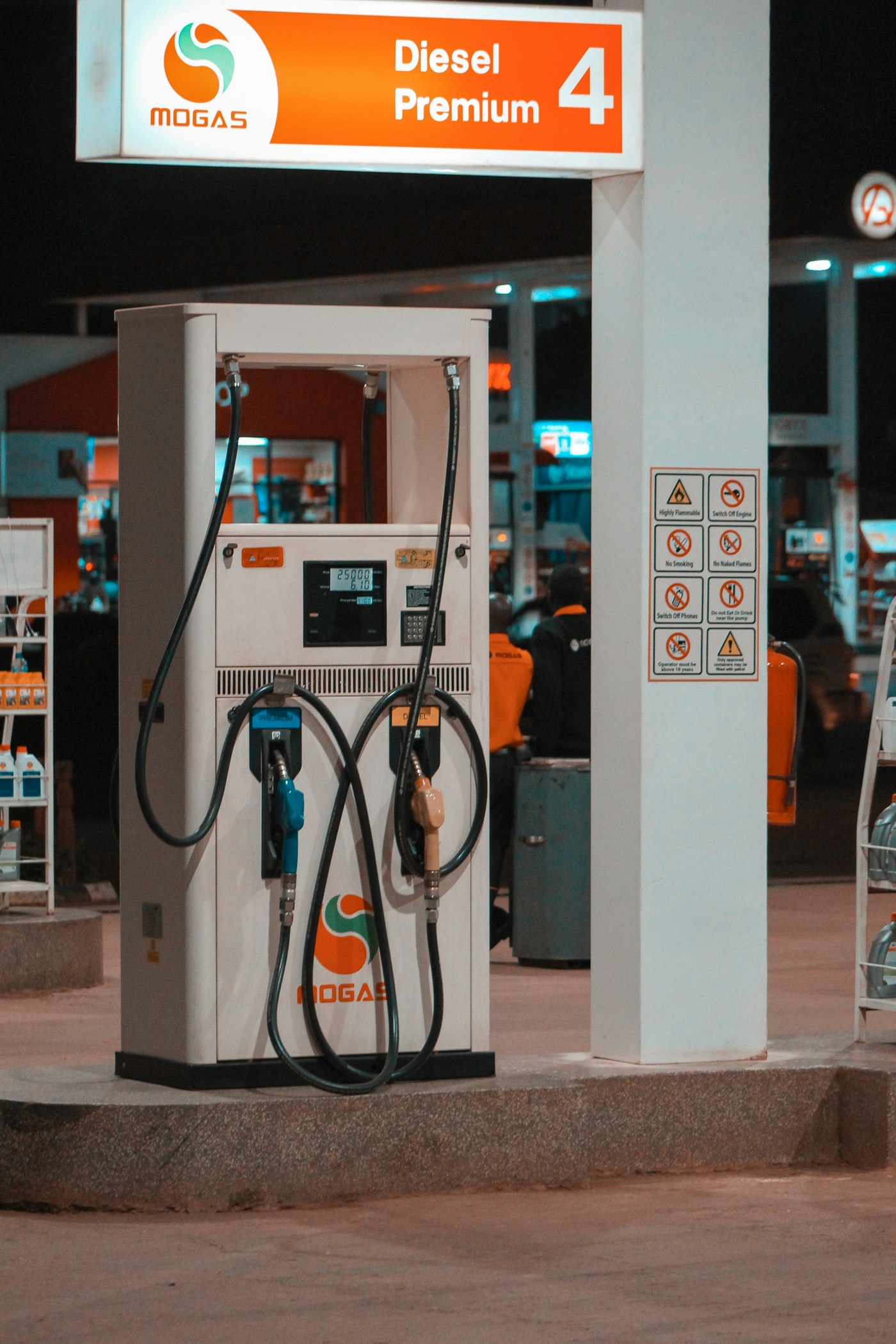
None of that accounts for a $1.81 gap. The rest comes from this year's supply shortage, and it's the reason diesel prices record high numbers keep showing up in the news.
What pushed diesel prices to a record in 2026
Global diesel supply is short, and U.S. refiners are shipping more of theirs overseas.
Crude prices jumped after the war with Iran began more than six months ago and disrupted tanker traffic through the Strait of Hormuz, and diesel prices follow crude. Our explainers on the Strait of Hormuz and on why US fuel prices follow Brent crude cover how that works.
Diesel has risen further than gasoline because distillate supplies are unusually tight. The EIA's September Short-Term Energy Outlook, released September 9, points to three causes:
Global distillate production remains below last year's level.
High prices overseas are pulling more U.S. diesel into exports.
U.S. distillate inventories are expected to drop below 100 million barrels in September and stay under the 2021-2025 low through much of 2027.
With stockpiles that low, a refinery outage or an early cold spell has less supply to absorb it, so prices can move quickly.
Who pays when diesel prices record high levels hold
Truckers and freight companies
With diesel prices record high, owner-operators take the hit first. In a hypothetical case, a long-haul truck that averages 6.5 miles per gallon over 100,000 miles a year burns about 15,400 gallons, so paying $2.20 more per gallon adds roughly $34,000 a year. Large carriers recover much of that through fuel surcharges that rise with the price of diesel. An independent trucker whose contract has no surcharge clause absorbs the increase.
Farmers
Tractors, combines and grain dryers run on diesel, and the fall harvest uses a lot of fuel. With diesel prices record high during harvest, fuel bills cut into farm income this season and can reach food prices later.
Shoppers
Much of what stores sell travels part of the way by truck, rail or ship, and freight costs reach shelf prices gradually. In the August consumer price report, food prices were up 2.7% over 12 months while energy was up 16.3%, according to the Bureau of Labor Statistics. We traced the same slow route from port to price tag in how a tariff reaches the shelf. If diesel stays this expensive, food inflation could pick up in the coming months.
Diesel car and pickup owners
For drivers of diesel pickups and cars, the cost is easy to calculate. Filling a hypothetical 30-gallon tank costs about $66 more than a year ago at a $2.20 difference.
Homes heated with oil
Heating oil comes out of the same distillate supply as diesel. Because the EIA doesn't expect those inventories to recover before winter, households in the Northeast that heat with oil will probably pay more this season. Some suppliers let customers lock in a price, which protects against further increases but costs more if prices fall.
Will diesel prices come down?
The EIA expects diesel prices record high levels to ease slowly. Its September outlook puts the average diesel price 2026 figure at $5.07 for the full year and forecasts $4.40 for 2027. Because the 2026 number averages in the cheaper months from earlier in the year, it doesn't point to $5 diesel next month.

The forecast assumes Middle East oil exports keep recovering through Hormuz and other routes, with Brent crude averaging about $90 a barrel for the rest of 2026 and about $74 in 2027. A wider conflict or a major refinery shutdown would push prices above that path. Our US-Iran conflict updates follow the war itself.
Energy costs also affect interest rates. They're a large part of why inflation reached 3.4% in August, and they're a main reason the Federal Reserve is considering a rate hike at its September 16 meeting, which would make credit card balances more expensive on top of higher prices at the pump and in stores.
Ways to limit the cost
With diesel prices record high, individual households can't do much about freight costs, but a few steps help with the fuel you buy directly:
Compare nearby stations in a fuel price app before filling a diesel vehicle, since prices can differ from one station to the next.
Check whether fuel rewards from a warehouse club or grocery chain apply to diesel.
If your small business depends on deliveries, read the fuel surcharge terms before renewing a contract.
If you heat with oil, ask your supplier about budget plans or fixed prices before the weather turns cold.
Common questions about diesel prices record high
What is the record price for diesel?
AAA's national average set a record of $5.85 on September 4, 2026, beating the June 2022 high of $5.816, and it has since risen past $6. AAA's daily average has the current number.
Why are diesel prices record high right now?
Diesel always carries a higher federal tax and a smaller share of each refined barrel. In 2026, low global distillate supply and strong export demand widened its premium over gasoline to nearly $2.
When will diesel prices go down?
The EIA forecasts a gradual decline into 2027, assuming Middle East oil flows keep improving and refineries run normally.
Does diesel's record affect gas prices?
Both follow crude oil, but they trade as separate products. Gasoline costs far more than a year ago and is still below its 2022 record.


